
Podcasts are an interesting medium, considering they’ve been around for decades and picked up most of their momentum over the past several years. I remember delivering food my last couple years of college, and after talk radio, audiobooks, and the same mix CDs day in and day out finally lost their appeal, podcasts filled the void, even when there were only a couple dozen shows worth listening to at the time (for the record, I had listened to every single episode of This American Life and Stuff You Should Know for quite some time). Podcasts have since grown from a niche hobby into a mainstream information channel, to the point where it can feel like everyone has a podcast (if you have a minute, there is a hilarious clip from the show Portlandia about “everyone being a DJ” that captures the feeling well: watch it here, fair warning that it is NSFW).
Even if you never record your own podcast, becoming a guest on a podcast as a professional in your industry has become pretty commonplace, and it remains one of the more effective ways to build credibility with a niche audience.
With so many shows to choose from, podcast engagement is paradoxically overwhelming and exciting at the same time. Back when it became clear that podcasts had solidified their place as a legitimate medium for information, we surveyed 500 people via Mechanical Turk to gauge whether podcasts had started to prevail over text-based content, and even video content, as a way people preferred to receive information. That original research is still one of the more detailed looks we have done into listener behavior, so we are keeping the full breakdown below, updated with where the podcast landscape stands now.
Our Original Listener Survey: What 500 People Told Us
Here is what we found when we asked our original survey pool about their podcast habits, broken down afterward by age group:
Are Podcasts Your Preferred Medium for Getting Information?
| Yes | 61.15% |
| No | 38.85% |
In one of the more interesting findings from any of our surveys, 61.15% of respondents told us they preferred podcasts over any other medium of information, including blogs, articles, guides, video, and books. Broken down by age group, the preference looked like this:
| 18-24 | 25-34 | 35-44 | 45-54 | 55+ | |
| Yes | 75.93% | 65.73% | 55.56% | 44.44% | 46.88% |
| No | 24.07% | 34.27% | 44.44% | 55.56% | 53.13% |
As respondents got older, their preference for podcasts diminished somewhat significantly, so depending on your typical audience, delivering information via podcast may matter more or less. Our read on this trend at the time was that younger listeners would keep favoring podcasts as they aged, since they were growing up with podcasts being diverse and accessible, rather than podcast preference simply being tied to being young. The data below, from a follow-up question in the same survey, backed that read up.
How Much More or Less Did Respondents Plan to Engage With Podcasts Going Forward?
| Much Less | 2.60% |
| Less | 5.70% |
| Same | 39.90% |
| More | 35.80% |
| Much More | 16.10% |
Only 8.3% of respondents told us they planned on pulling back their podcast listening. With the largest group saying “the same,” roughly half of respondents told us they planned on listening to podcasts even more going forward, a trend that, as the data further down shows, has held up in the years since.
| 18-24 | 25-34 | 35-44 | 45-54 | 55+ | |
| Much Less | 3.85% | 2.17% | 4.17% | 0.00% | 3.03% |
| Less | 3.85% | 9.24% | 1.39% | 4.44% | 0.00% |
| Same | 32.69% | 35.33% | 50.00% | 46.67% | 45.45% |
| More | 34.62% | 34.24% | 37.50% | 37.78% | 39.39% |
| Much More | 25.00% | 19.02% | 6.94% | 11.11% | 12.12% |
The youngest respondents kept their predictable trend of having the most enthusiasm for “much more.”
With the trend running heavily toward “more” and “much more,” we also asked how much time people were actually spending with podcasts each week:
| 18-24 | 25-34 | 35-44 | 45-54 | 55+ | |
| Average Weekly Minutes | 221.02 | 201.44 | 164.35 | 213.58 | 188.12 |
What stood out to us was the trend around why people were listening in the first place, whether for entertainment or for education. The average respondent listened to podcasts for roughly three hours a week, less than typical TV consumption at the time, which makes sense given podcasts often run 20 to 60 minutes, with some going much longer. That leaves a finite amount of time for a finite number of shows.
Our youngest respondents were fairly evenly split between listening for education and listening for entertainment, with the biggest gap toward entertainment appearing in the 35-44 group and widening further in the 55+ group. That is worth considering when you are producing content for a known age range: should it lean educational, entertaining, or some blend of both to keep listeners engaged?
We also asked respondents to rate podcasts on a 1-10 scale for content quality and audio quality:
| 18-24 | 25-34 | 35-44 | 45-54 | 55+ | |
| Quality of Content | 6.32 | 6.72 | 5.72 | 5.73 | 7.20 |
| 18-24 | 25-34 | 35-44 | 45-54 | 55+ | |
| Quality of Audio | 8.12 | 8.04 | 8.02 | 7.98 | 9.11 |
What we found interesting is that podcast content did not need to be outstanding for a show to build a strong following. That tracks, since so many podcasters are amateurs working without a rigid agenda or a big production budget. What made podcasts appealing despite those shortcomings came down to a few things:
- Ease of access
- The personalities of the podcasters
- Ease of downloading and streaming
- The endless range of topics and interests available
One thing that cannot be overlooked, then or now, is audio quality. Recording on a cell phone or a basic headset mic is not going to cut it, and poor audio is still one of the most common reasons a podcast picks up negative reviews, right alongside a lack of post-production and editing.
Podcast Listening Has Kept Growing Since Our Original Survey
Our 2021 respondents told us they expected to listen to more podcasts, and that turned out to be an understatement. Edison Research’s Infinite Dial 2026 study found that 58% of Americans now listen to podcasts monthly and 45% listen weekly, both record highs, and that 80% of Americans age 12 and older, roughly 230 million people, have listened to or watched a podcast at some point. For the first time, listeners age 35 to 54 are now leading monthly consumption at 68%, edging ahead of the 12 to 34 age group at 64%, a shift from the youth-skewed pattern our own survey picked up on years ago.
That growth has real implications if you are a business, firm, or practice weighing whether podcast content still deserves a place in your marketing plan. A medium that has gone from a couple hundred thousand shows to hundreds of millions of regular listeners across nearly every age bracket is no longer a niche bet. It is closer to a baseline channel, on par with the reach video already commands.
Getting Started on a Podcast
Getting started on a podcast of your own can be an exciting and rewarding experience. Ready to start a podcast of your own? Here’s a list of the basic stuff you’ll need.
When looking to record and disperse a podcast, consider hosting on Podbean. You can find some great information for beginner podcasters here. If you work with a law firm weighing podcasting against other growth channels, it is also worth reading through our thoughts on building a broader marketing plan for a growing firm.
Listen Your Way to Better SEO Practices
Follow my podcast for engaging discussions on SEO and digital marketing. You can find it here: https://seoisdeadandotherlies.podbean.com/.
Want to learn the best tactics to grow your law firm? Tune in to our Legal Mastermind Podcast.
For a free digital marketing consultation to learn how to apply these techniques to your business or law firm, contact us.
Frequently Asked Questions About Podcast Listening Trends
Is podcast listening still growing?
Yes. Recent industry research shows podcast listening at record highs, with the majority of Americans now listening monthly and a growing share of older demographics joining the audience alongside younger listeners.
What age group listens to podcasts the most?
Podcast listening used to skew heavily toward younger audiences, but recent research shows listeners between 35 and 54 now lead monthly consumption, narrowly ahead of the 12 to 34 age group. This reflects the audience maturing alongside the medium rather than younger listeners pulling away.
Is it worth becoming a guest on other people’s podcasts instead of starting my own?
Often, yes. Guesting on an established podcast puts you in front of an audience that already trusts the host, without the ongoing time investment of producing your own show. Many professionals build credibility this way before ever launching a podcast of their own.
What equipment do I actually need to start a podcast?
At minimum, you need a decent microphone, a quiet recording space, and simple editing software. Audio quality matters more to listeners than production polish, so investing in a good mic before worrying about anything else tends to pay off the most.
Should businesses still invest in podcasts as a marketing channel?
With most Americans now listening to podcasts on a regular basis, the medium has moved well past the experimental stage. Whether that means hosting your own show or appearing as a guest on established shows in your industry, podcasts remain one of the more direct ways to build trust with a niche audience.
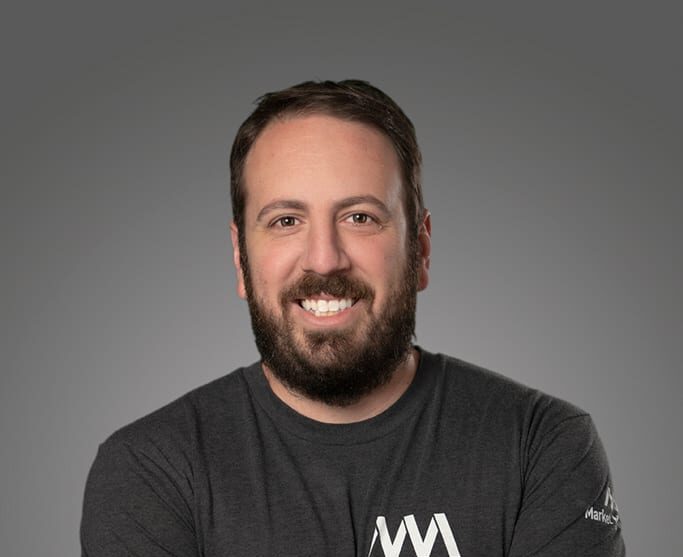
MMM Author Ryan Klein
The ongoing digital revolution is transforming the way that all businesses interact with clients and customers. Consumers rely heavily on digital channels for researching products and services and expect to make buying choices with the swipe of a finger. For organizations that want to remain competitive, having a defined digital marketing strategy and execution plan is essential for successful outcomes. With a demonstrated history of creating and implementing strategic digital marketing initiatives that drive growth, I am committed to delivering real, measurable results for my clients.